From Code to Culture: How Developer Communities Shape Innovation
How developer communities, open-source collaboration, and shared knowledge accelerate technological innovation.
I can’t remember the last time a textbook taught me something game changing. But I do remember the stranger on Reddit who explained a bug I’d been stuck on for days.
Every big breakthrough in my career started with a conversation not a lecture. Sometimes it was a blog post, sometimes a Discord chat, sometimes a thoughtful code review from someone halfway across the world.
That’s the magic of communities: they turn code into culture.
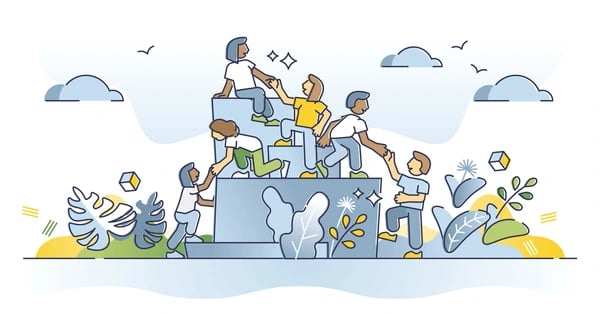
React didn’t become React because professors added it to their syllabus. It became React because developers starred it on GitHub, debated it on Twitter, and shared it at meetups. That’s how ideas spread now-at internet speed. If formal training is Netflix releasing one season a year, developer communities are TikTok: blink, and three new frameworks have already gone viral. And the best part? Anyone can play. A junior developer in Lagos or Pune can ship a contribution that influences a global project. Open source has flattened the playing field. These days, it’s not about your degree or your company badge, it’s about the conversations you join and the pull requests you make.
Of course, communities have their flaws. They can become echo chambers where hype gets louder than reason. A hot library today can become yesterday’s MySpace. And some spaces still carry that old “RTFM” energy that pushes beginners away. That’s a cultural bug we still need to fix. But when they work, communities are pure magic. They make learning feel natural. Instead of dry lectures, you’re sipping coffee while reading a blog post or diving into a lively Discord chat. They make collaboration borderless. A pull request started in New York can be reviewed in Berlin and merged in Bangalore before the author even finishes their coffee. And mentorship? It often just happens. A senior dev leaves a thoughtful comment on your code. A stranger shares a fix on a forum that saves you hours. The best mentorship doesn’t feel like a program, it feels like leveling up with friends.
Look closely at the tools we rely on every day. React may have been created at Facebook, but it was the community that made it mainstream. Python thrived not because of corporate marketing but because its community kept it approachable and fun. And Stack Overflow? It’s basically the collective memory of modern programming. Every “how do I fix this error?” search is powered by community effort.
So how should you approach communities? Think of it like joining a fandom. Show up, get involved, share what you can-but don’t let the hype consume you. As Yoda warned, “Fear is the path to the dark side.” In dev culture, hype is the path to tech debt. Curiosity should be your compass, but balance should be your map. Developer communities aren’t just hangouts. They’re where the future of software is written one pull request, one blog post, one latenight “what if we tried this?” conversation at a time.
to be continued...